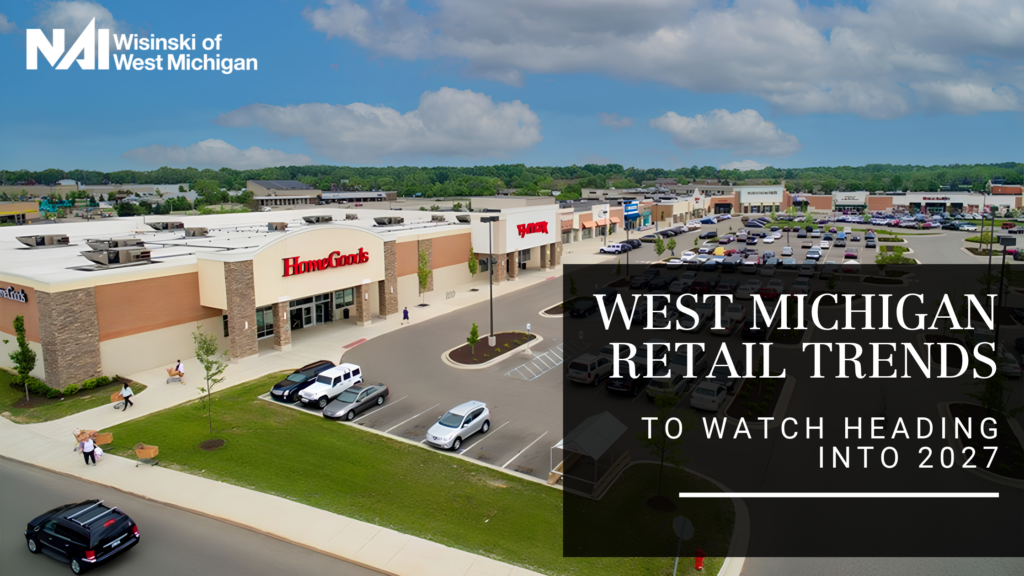
Retail decisions made today will shape how properties perform well beyond 2027. For West Michigan owners, investors, and business leaders, the challenge is to understand which changes create lasting demand and which require a more cautious approach.
NAI Wisinski of West Michigan’s Q3 2026 Market Report highlights a retail market that continues to demonstrate resilience, supported by steady consumer spending, limited new construction, and demand for well-located properties. Retail vacancy declined to 5.4% in Q3, compared to 5.8% in Q2, reinforcing the strength of the region’s retail market heading into 2027.
Recent market reports point to continued restaurant expansion, demand for neighborhood retail, and opportunities to reposition existing properties. They also show why a regional headline can only tell part of the story. A busy corridor, an older shopping center, and a downtown storefront may each face very different leasing conditions.
Heading into 2027, these are the trends worth watching and the questions that should guide your next real estate decision.
National Expansion Requires a Local Perspective
National brands remain part of West Michigan’s retail leasing activity. NAI Wisinski of West Michigan’s Q1 2026 market update identified expansion activity among food and beverage concepts including Raising Cane’s, Dunkin’, Dave’s Hot Chicken, Smoothie King, and Pita Way.
The Q2 2026 Market Report identified continued expansion interest from national retailers, including Chipotle, McAlister’s Deli, Casey’s, 7-Eleven, and Shake Shack.
By Q3, national retail interest remained strong, with gas and convenience stores experiencing particularly high activity. Quick-service restaurants also continued expanding into the market, including brands such as Shake Shack, Cava, and Dave’s Hot Chicken.
Despite relatively measured leasing activity across the broader market earlier in the year, demand remained strong for well-located retail properties. The Q3 report identified 28th Street, Alpine Avenue, and East Beltline as major corridors attracting leasing activity, with limited available inventory creating competition for quality space.
For property owners, the opportunity extends beyond attracting a recognizable name. A new tenant can change the traffic patterns, parking needs, and customer mix of an entire center.
The priority heading into 2027 should be matching a property to the right operator. Visibility matters, but so do access, signage, building configuration, and the cost of getting a location open. National expansion plans provide useful direction; local site conditions determine whether a deal works.
Restaurant Growth Puts Greater Emphasis on Site Function
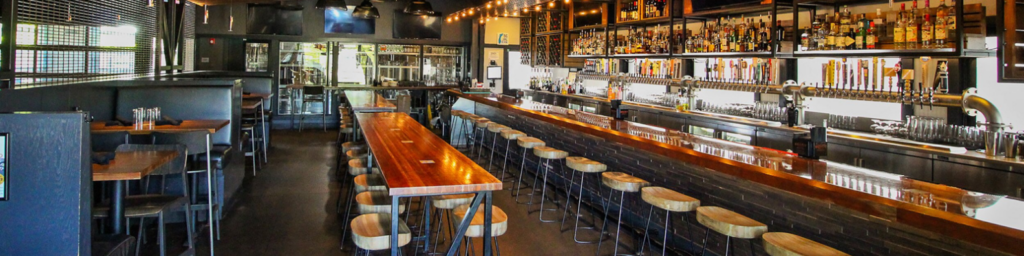
Food and beverage users were among the most active sources of demand in NAI’s early 2026 retail update. Downtown Grand Rapids has also added concepts such as Allora, Garden District, and Big Mini Putt Club, reflecting a range of dining and entertainment formats.
NAI Wisinski’s Q3 report reinforces this trend, identifying quick-service restaurants as an active segment alongside gas and convenience store operators. The continued interest from national brands reflects demand for accessible, well-positioned retail locations throughout West Michigan.
That variety matters. A drive-through concept, a neighborhood restaurant, and a destination dining experience have different real estate requirements.
Owners evaluating restaurant prospects should consider utility capacity, ventilation, grease management, parking, delivery access, and any required approvals early in the process. An attractive lease rate can lose its advantage quickly when substantial improvements are needed.
For operators, the better location is the one that supports both the customer experience and the operating budget.
Suburban Retail Strength Will Remain Property Specific
Neighborhood shopping centers and service-oriented businesses remain important parts of the Grand Rapids retail outlook. Integra Realty Resources’ August 2026 report identified the East Beltline and 28th Street Southeast submarket as having the lowest vacancy among the six primary submarkets it reviewed.
NAI Wisinski of West Michigan’s Q2 2026 Market Report highlighted these differences across the region, with overall retail vacancy at 5.8%.
By Q3, retail vacancy had declined to 5.4%, while the reported average asking rent was $12.81 per square foot. Limited new construction and continued tenant demand helped maintain occupancy levels, particularly in established retail corridors throughout the Grand Rapids metropolitan area.
The lesson for owners is to look closely at the trade area rather than assume all suburban locations perform alike. Nearby households, daytime employment, competing centers, and ease of access can influence a property’s ability to attract and retain tenants.
A center that supports several routine stops, such as groceries, fitness, personal services, and dining, gives customers more reasons to return. When evaluating tenant mix, owners should consider how businesses work together and whether they serve the surrounding community.
Mixed-Use Projects Need Retail That Fits Daily Life
Grand Rapids’ development pipeline includes projects that combine housing with commercial and entertainment uses. Experience Grand Rapids identifies Factory Yards and Fulton & Market among the city’s mixed-use developments, alongside the established Studio Park complex.
These projects warrant attention because additional residents and activity can create opportunities for nearby businesses.
For investors and developers, the question is whether the commercial space can operate successfully on its own merits while benefiting from the surrounding development.
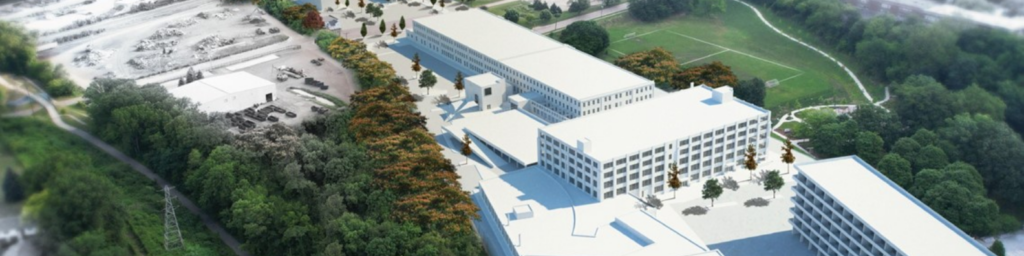
NAI Wisinski’s Q2 report also identified the Acrisure Amphitheater, Amway Stadium, and Grand River redevelopment as major investments that could influence future retail demand and leasing activity. While their long-term impact is still developing, these projects give owners and businesses additional reasons to evaluate opportunities near downtown’s growing entertainment destinations.
The Q3 report also emphasizes the importance of limited new construction in the retail market. With approximately 10,000 square feet of retail space under construction across the report’s defined West Michigan submarkets, new development remains measured amid elevated construction and financing costs.
Consumer Habits Should Influence Property Decisions
Online shopping remains a significant part of the retail landscape. The U.S. Census Bureau reported that seasonally adjusted retail e-commerce sales increased 3.8% in the second quarter of 2026 compared with the previous quarter.
For physical locations, that reinforces the importance of giving customers a clear reason to visit. Convenience, service, dining, and experiences should all be considered when evaluating a tenant or location.
Property decisions also need to account for how customers use the space. Pickup areas, clear entrances, convenient parking, and functional layouts can affect whether a location supports an operator’s business model.
NAI Wisinski’s Q3 report points to continued demand for well-located retail space, particularly in established corridors where limited availability creates additional competition.
Making Informed Decisions for 2027
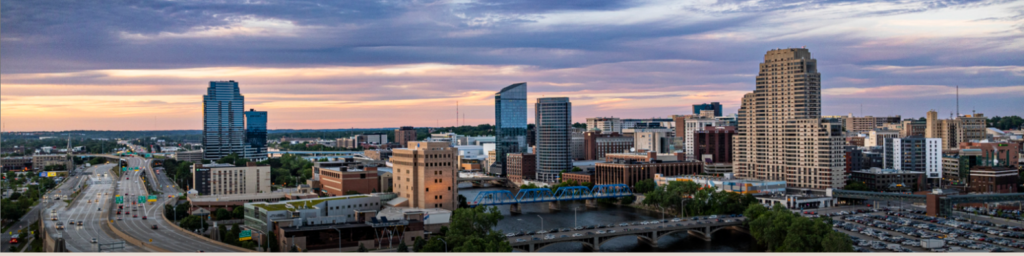
West Michigan’s retail market enters the final months of 2026 with relatively low vacancy, continued national tenant interest, and steady investor demand. The latest quarterly figures reflect a market where quality retail space remains competitive, while rising development and financing costs create additional considerations for owners and investors.
The strongest retail strategy starts with understanding the property, its trade area, and the businesses it can realistically support. Expansion announcements and development activity provide context, but each investment still needs a clear plan for costs, occupancy, and long-term performance.
At NAI Wisinski of West Michigan, our retail team helps owners, investors, and businesses connect market activity with practical real estate decisions. Whether you are evaluating an acquisition, planning a relocation, or considering improvements to an existing center, we can help assess the options and develop a strategy that supports your goals.
Connect with our retail team to discuss your property and plans for 2027.
RETAIL TEAM
About NAI Wisinski of West Michigan
NAI Wisinski of West Michigan is a full-service commercial real estate firm serving Grand Rapids, Kalamazoo, and communities throughout West and Southwest Michigan. Our team provides brokerage, property management, consulting, and advisory services for office, industrial, retail, land, multifamily, and investment properties.
With offices in Grand Rapids and Kalamazoo, our team combines local market knowledge with the global reach of the NAI network to help businesses, property owners, and investors navigate commercial real estate throughout West Michigan.